
13th Edition of International Conference on
Neurology, Brain Health & Neurological Disorders
June 24-26, 2027 | Rome, Italy

Neurogenetics
Neurogenetics explores the genetic underpinnings of neurological disorders, examining how inherited and spontaneous genetic mutations contribute to conditions like epilepsy, Huntington's disease, and Alzheimer's. The field has made significant strides in identifying specific genes involved in neurodegenerative diseases, allowing for better diagnostic tools and the potential for gene-based therapies. Advances in next-generation sequencing and CRISPR technology are enabling researchers to study gene function and the effects of genetic variations on the nervous system at unprecedented levels of detail. Neurogenetics also holds promise for personalized treatment approaches, where genetic profiles inform targeted interventions, improving outcomes for individuals with genetically linked neurological conditions. As the field evolves, the integration of genetic counseling is playing a crucial role in guiding patients and families through the complexities of genetic disorders.
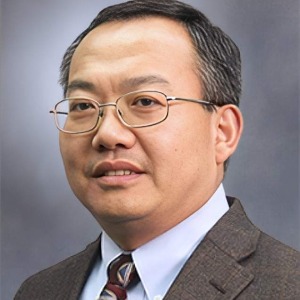
W Jim Zheng
University of Texas Health Science Center at Houston, United States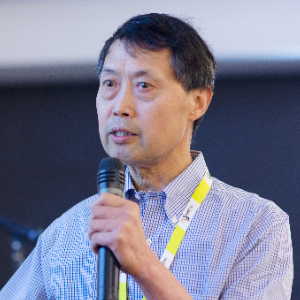
Yong Xiao Wang
Albany Medical College, United States
Ken Ware
Neurotricional Sciences Institute, Australia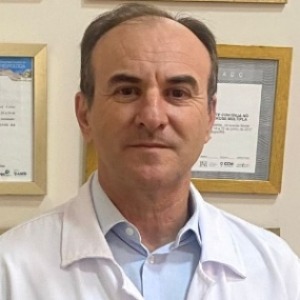
Milton C R Medeiros
Irmandade Santa Casa de Arapongas, Brazil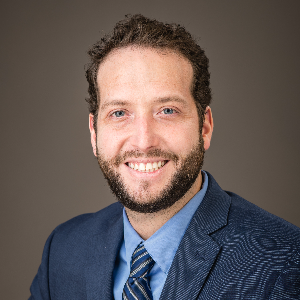
Jonathan Eskenazi
Cedars Sinai Medical Center, United States
Salvador Ventura
Autonomous University of Barcelona, Spain
Syeda Nadia Ahmad
University of Chakwal, PakistanSubmit your abstract Today


Title : Neuromodulation of scalp electroacupuncture in the treatment of autism spectrum disorder
Zhenhuan Liu, Nanhai Maternity and Children Hospital Affiliated to Guangzhou University of Chinese Medicine, China
Title : Managing healthcare transformation towards intelligent and ethical personalized, preventive, predictive, participative precision medicine ecosystems
Bernd Blobel, University of Regensburg, Germany
Title : Defining the genetic landscape of developmental and Epileptic encephalopathy in Egyptian children using whole exome sequencing
Hisham Megahed, National Research Center, Egypt
Title : The action potential as a soliton: A geometric derivation from the de Broglie relation with anatomical and clinical implications
Mustafa A Khan, Sevaro Health Inc., United States
Title : Prince transform: A wave-mechanical framework for real-time EEG analysis and early Seizure prediction using chirp and drift detection
Mustafa A Khan, Sevaro Health Inc., United States
Title : Translational insights into molecular mechanisms and neurodegeneration: Bridging experimental models and clinical realities
Benjamin Adebisi, Institute of Anatomy Cell Biology Brain and Neurodegeneration, Nigeria